Journey Through Bhutan’s Hidden Highlands
Where Every Trail Leads to Wonder
This iconic Bhutan trek begins near Paro and crosses alpine meadows, high mountain passes, glacial ridges, and traditional highland villages before descending to the therapeutic Gasa hot springs. Along the trail, trekkers encounter dramatic Himalayan views, rich biodiversity, nomadic herder culture, and pristine wilderness.
Best Season
April-June and September-November offer clear views, stable weather, blooming scenery, ideal trekking conditions, and pleasant temperatures.
Alt.m
H 4,600 m (15,092 ft)
L: 2,400 m (7,874 ft)
On Trek
14 Days 13 Nights
Grade
Strenuous
Essential Highlights in Brief
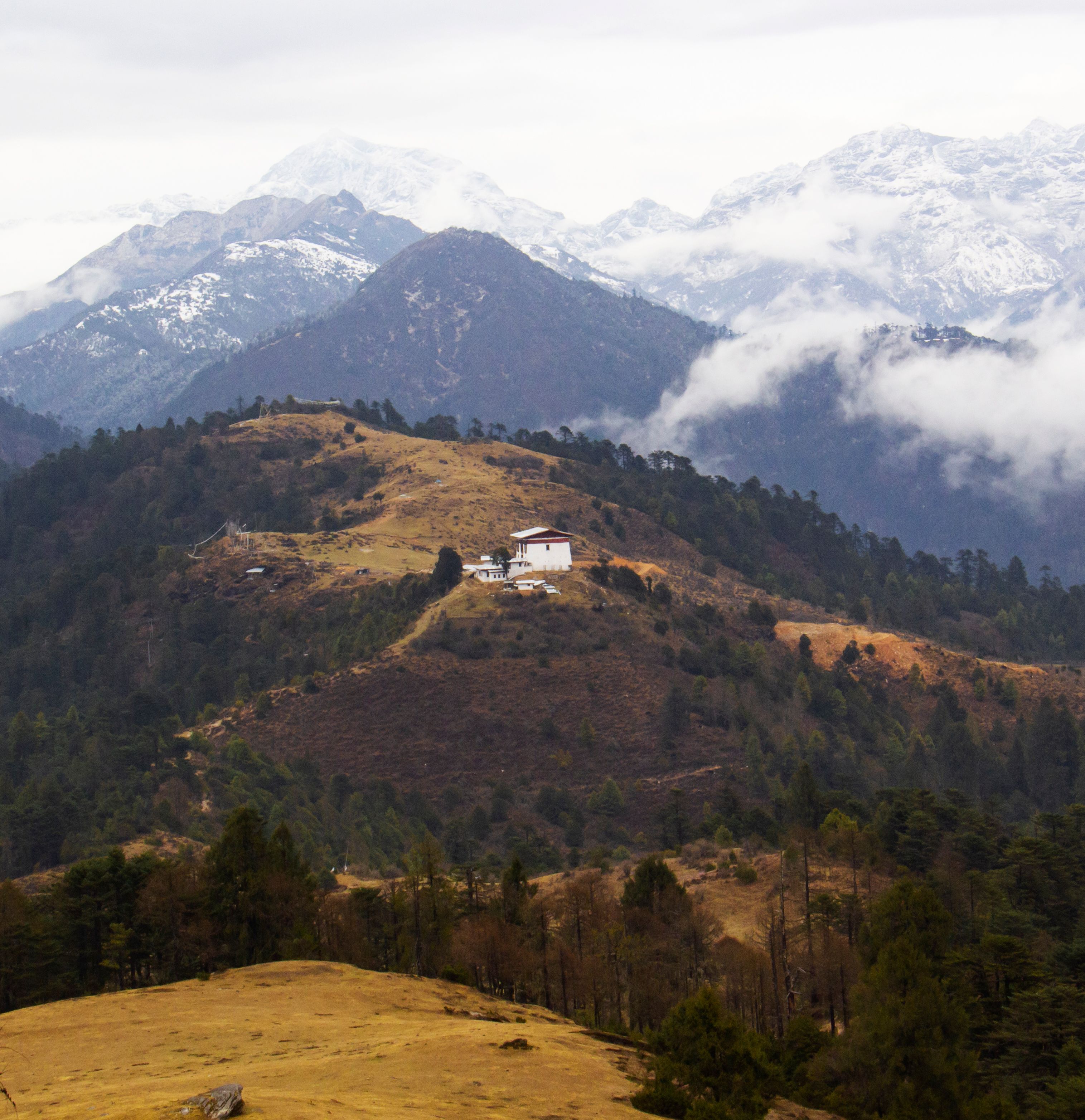
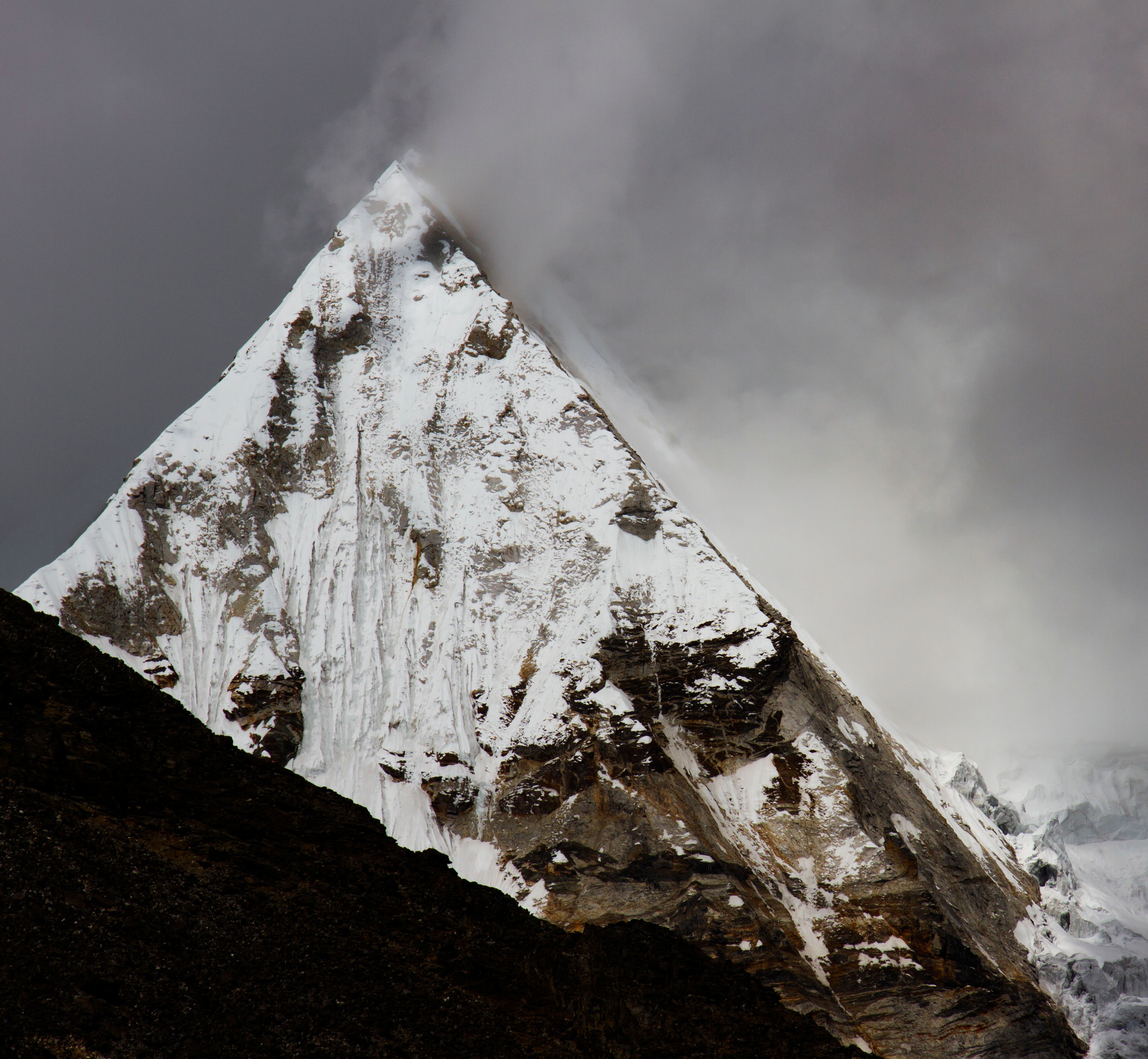
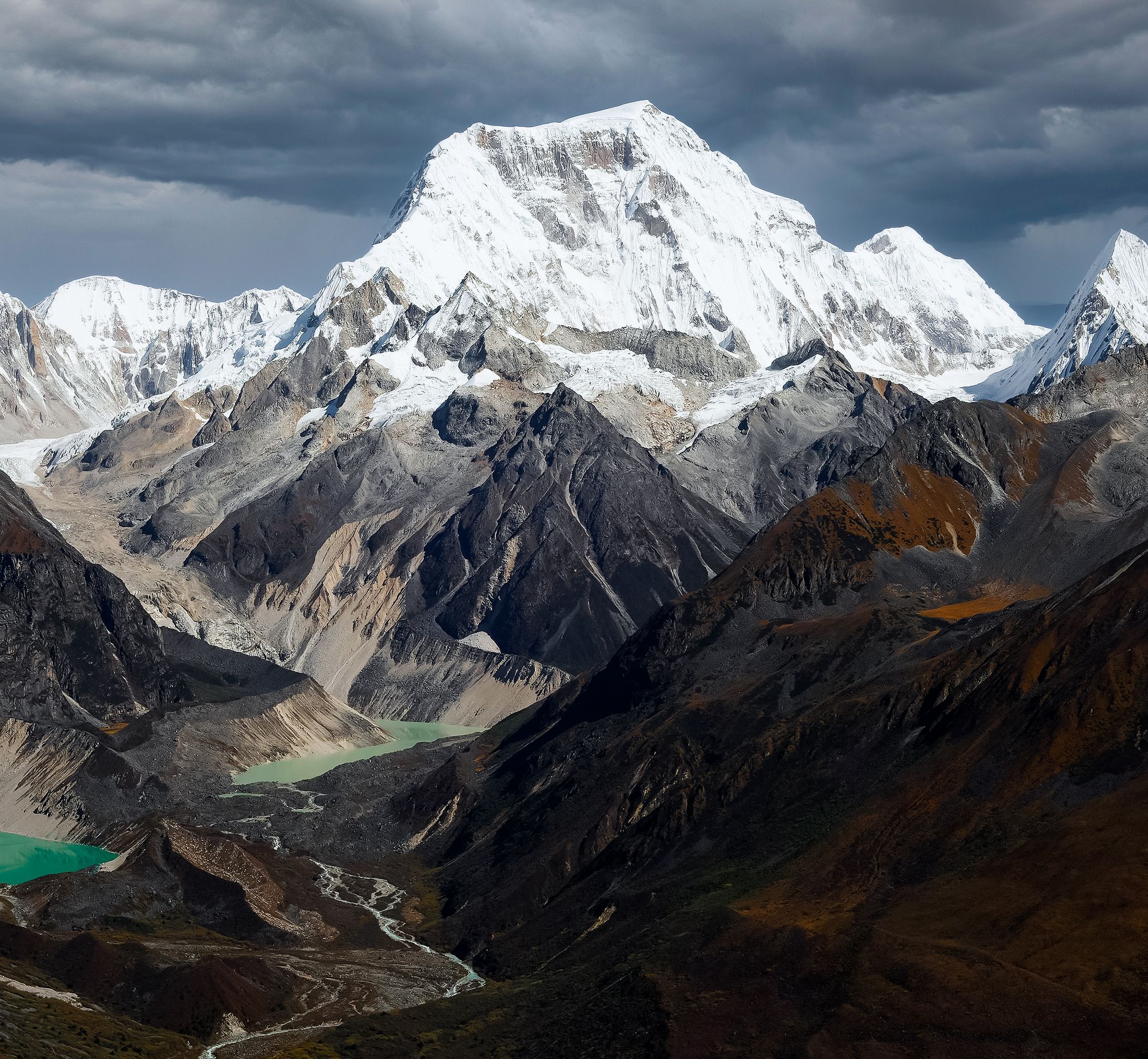
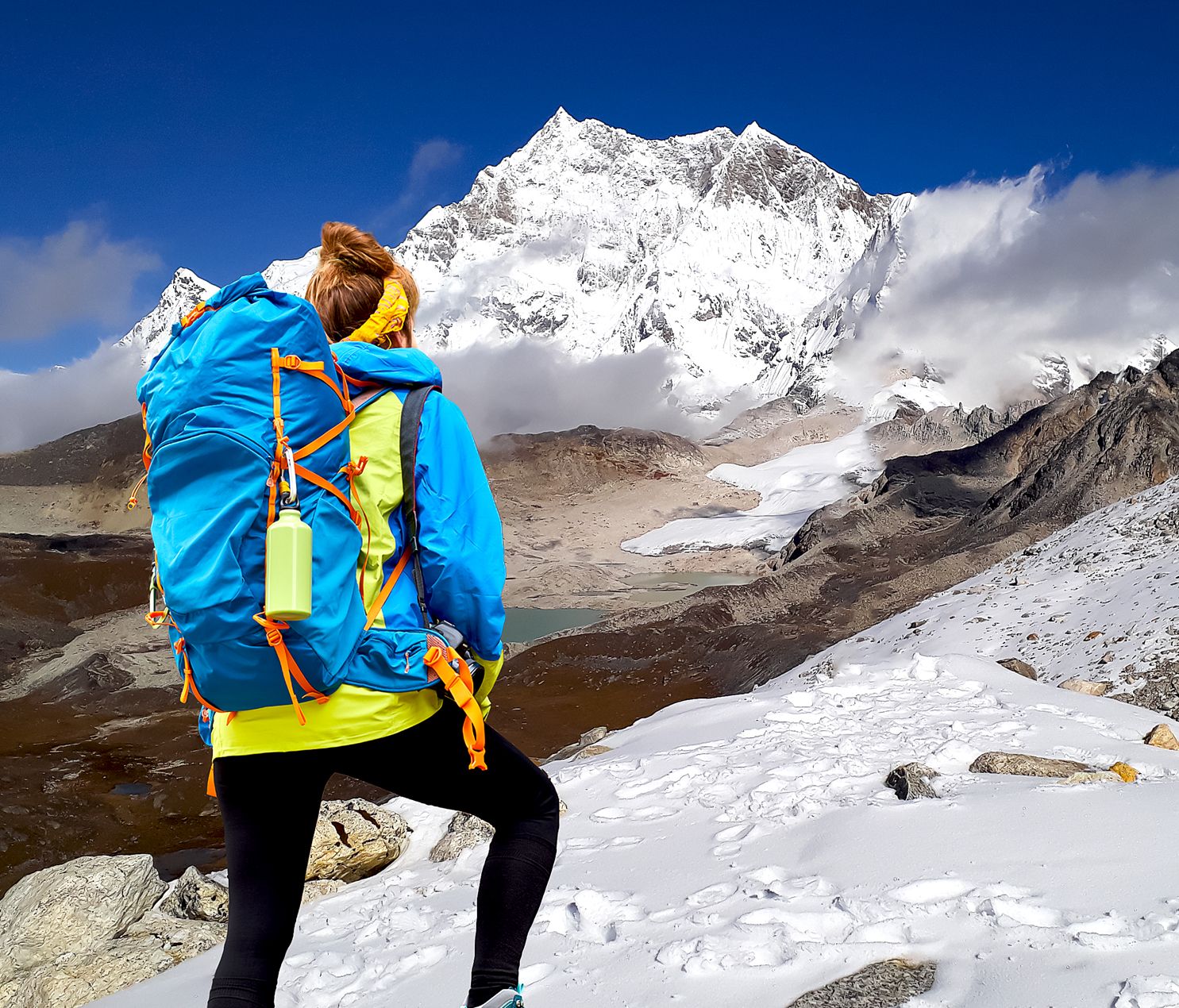
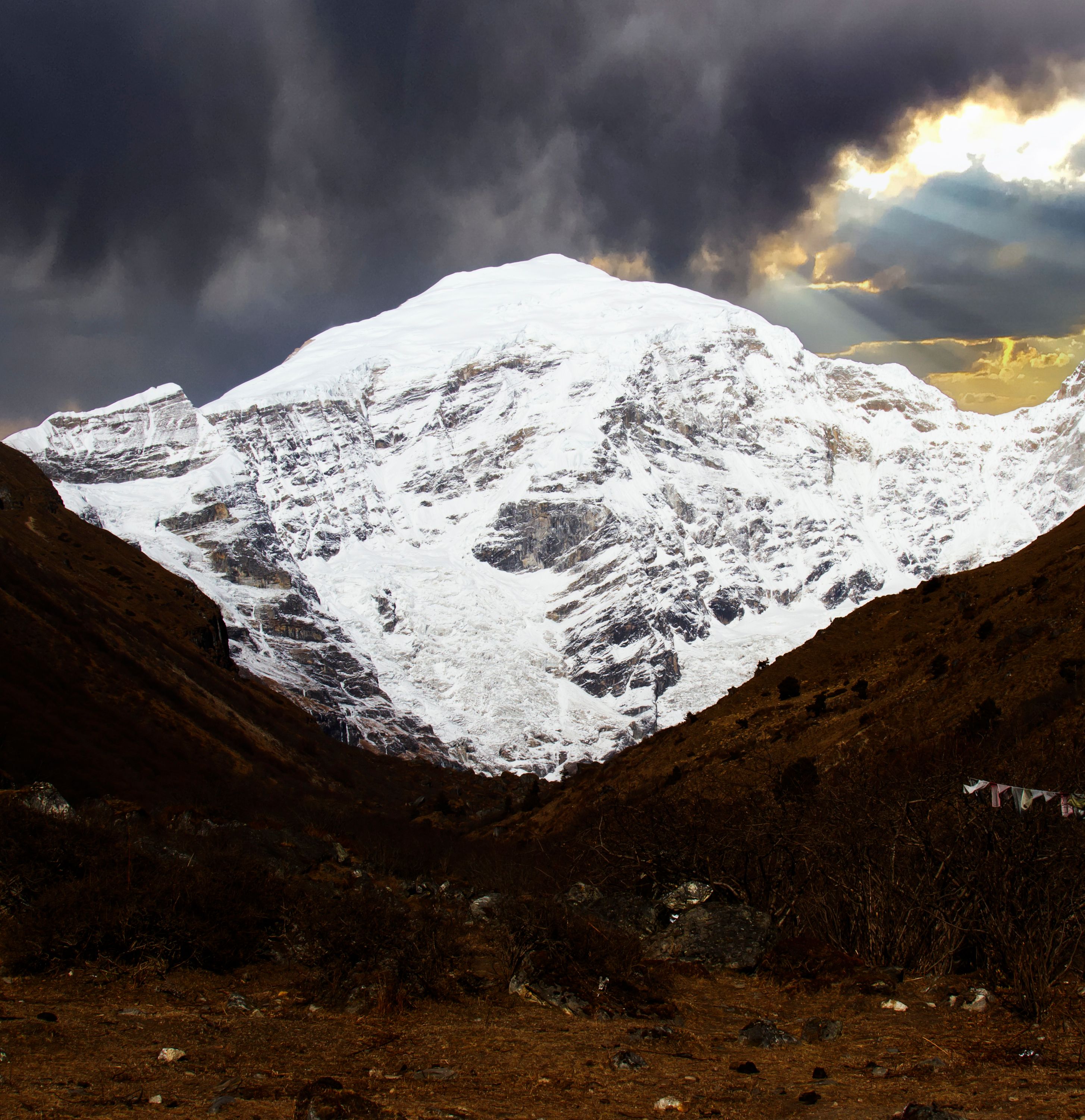
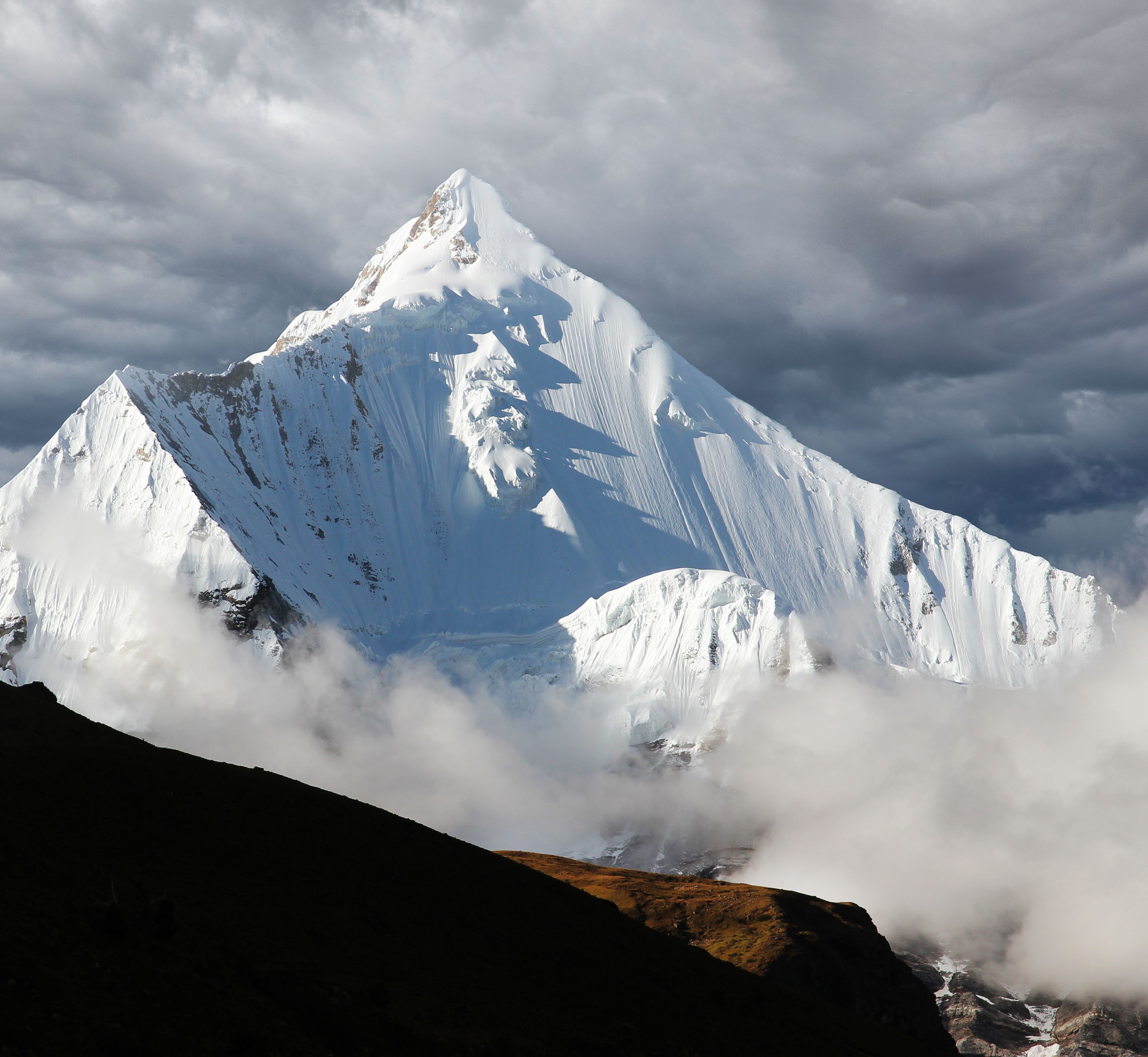
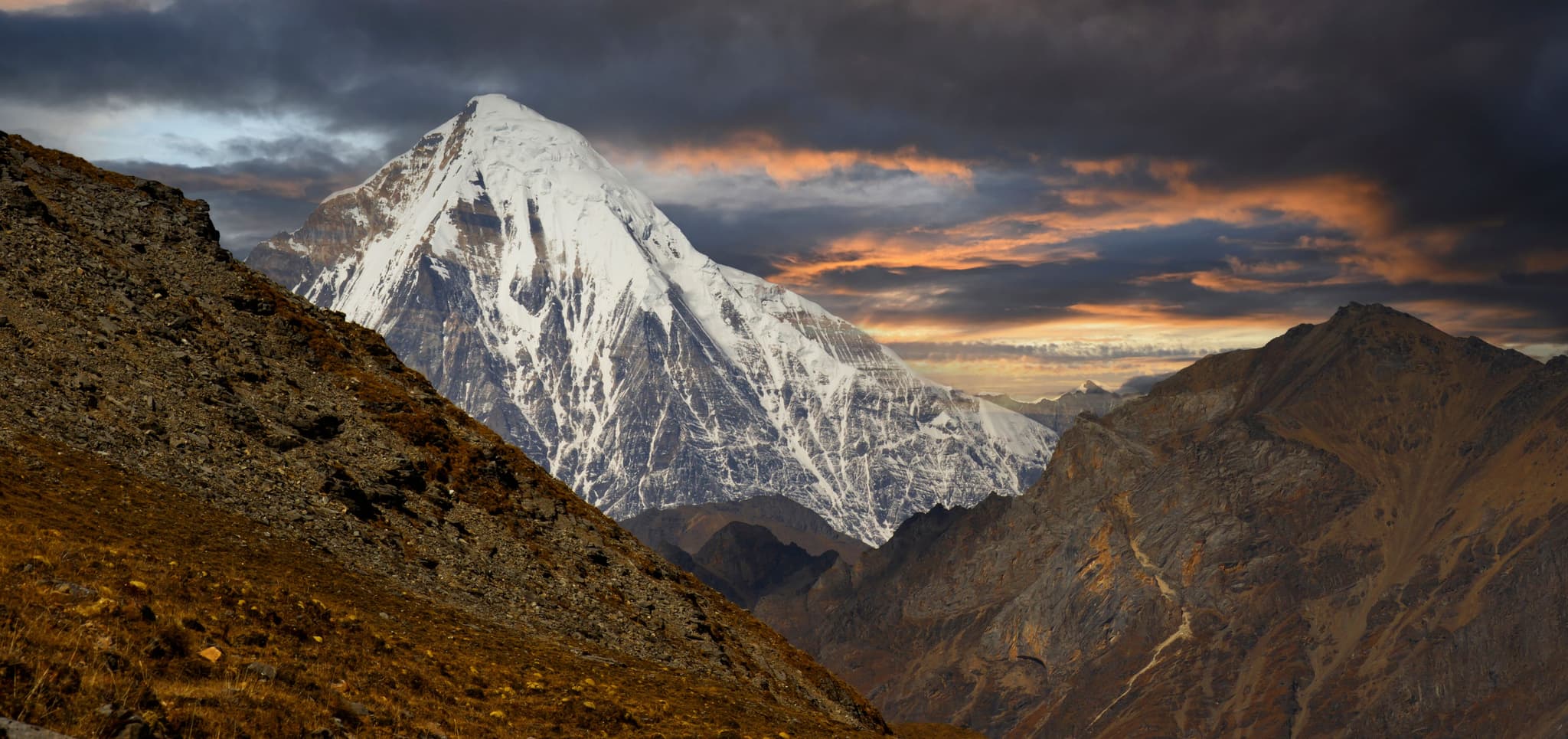
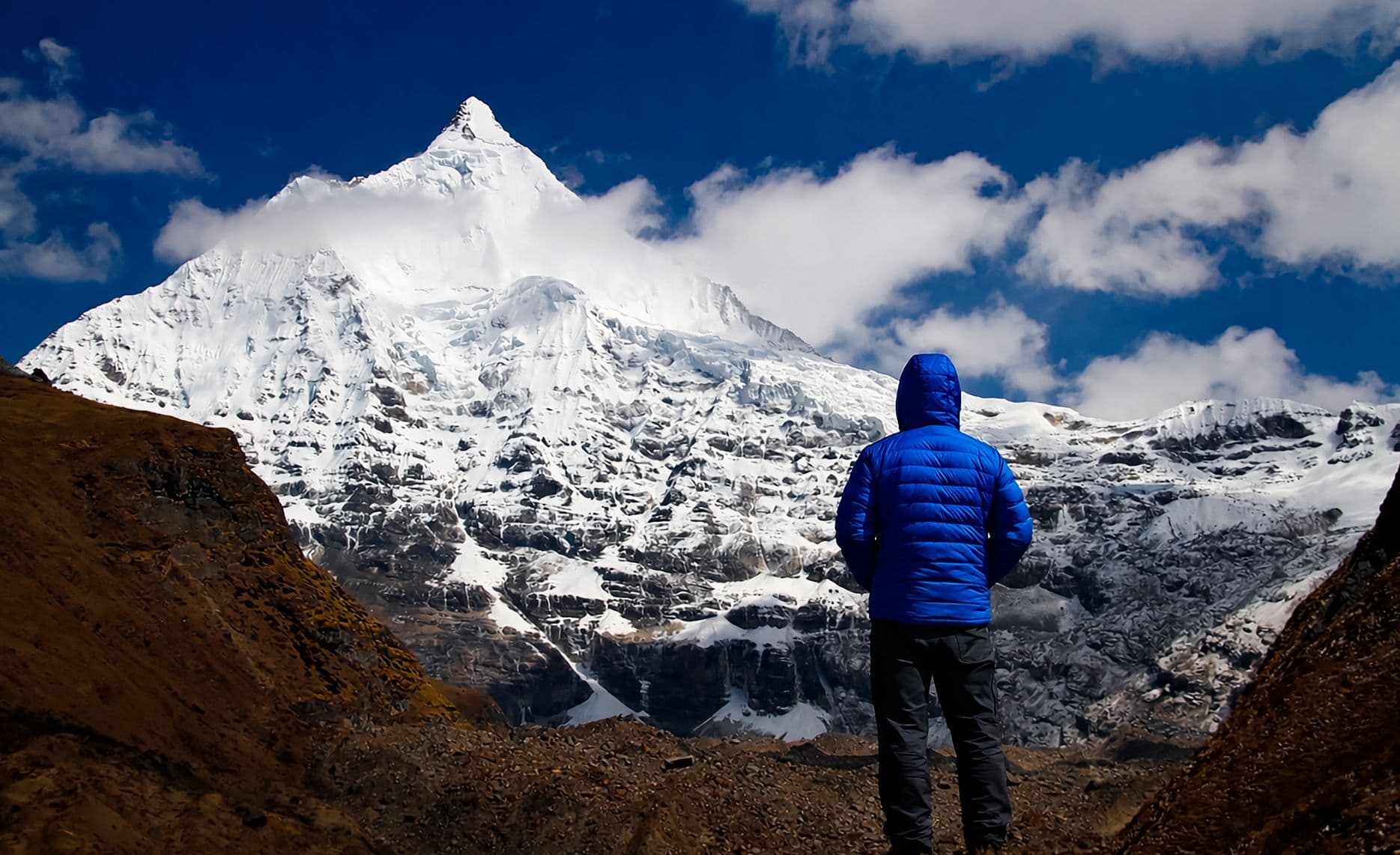
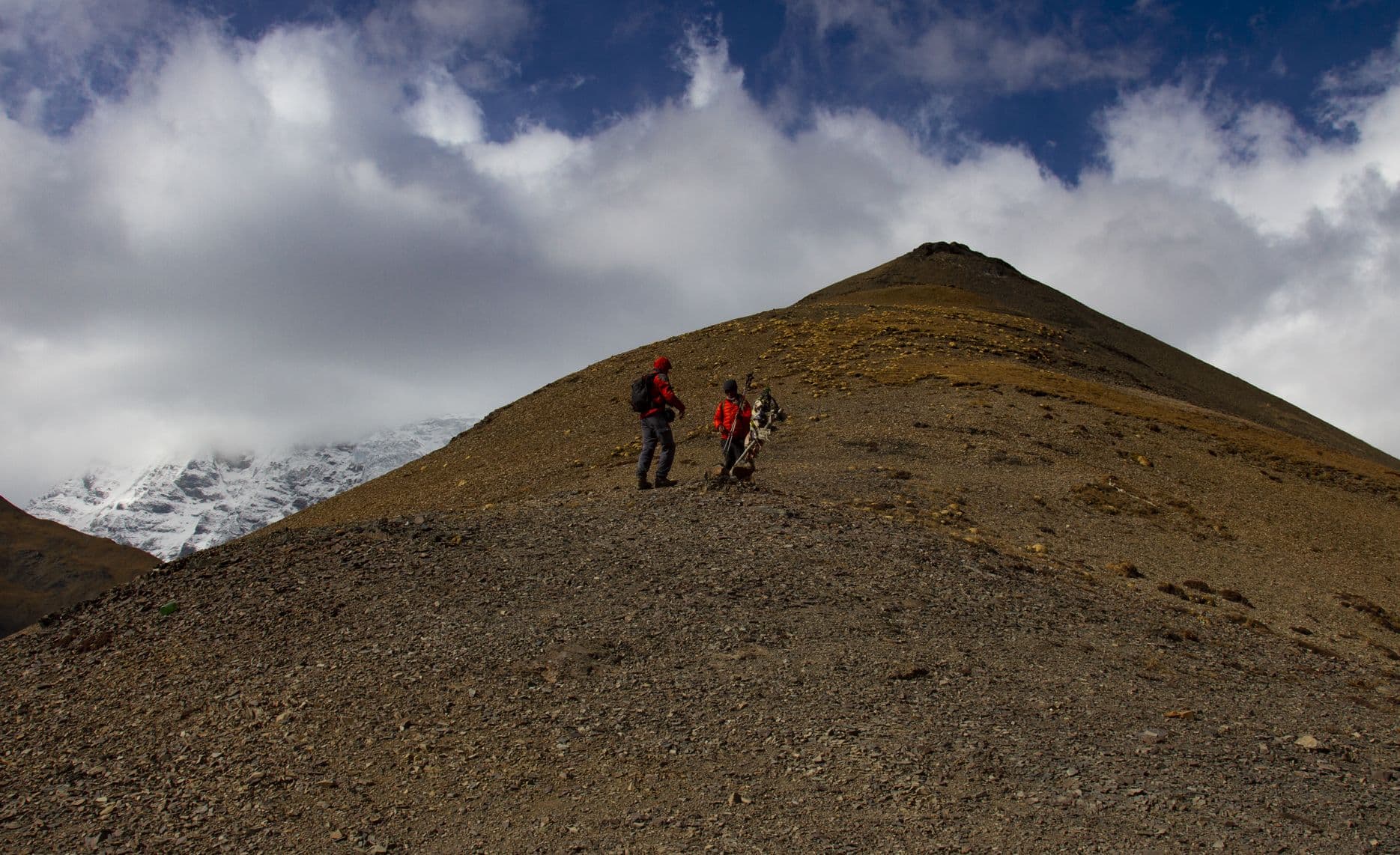
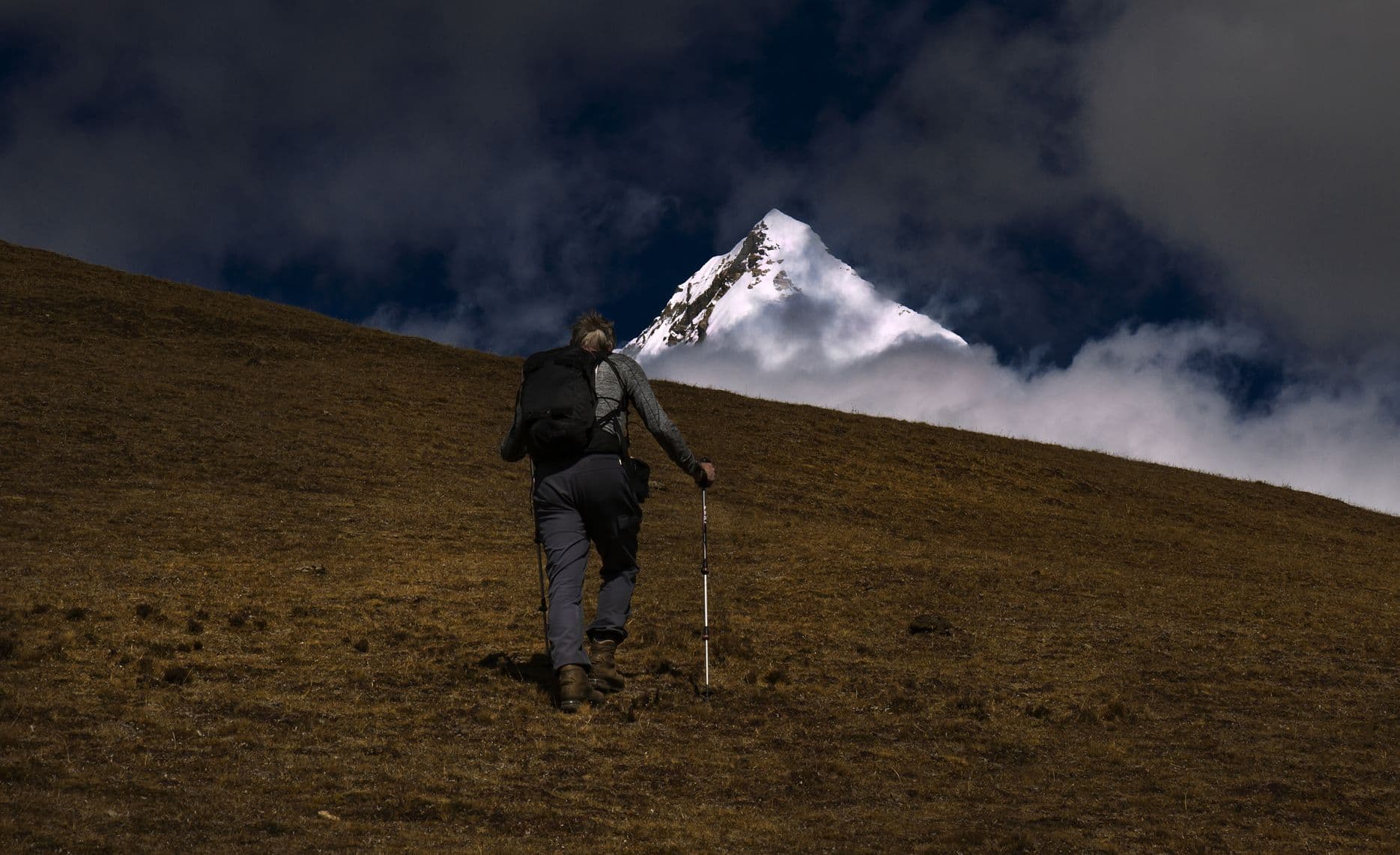
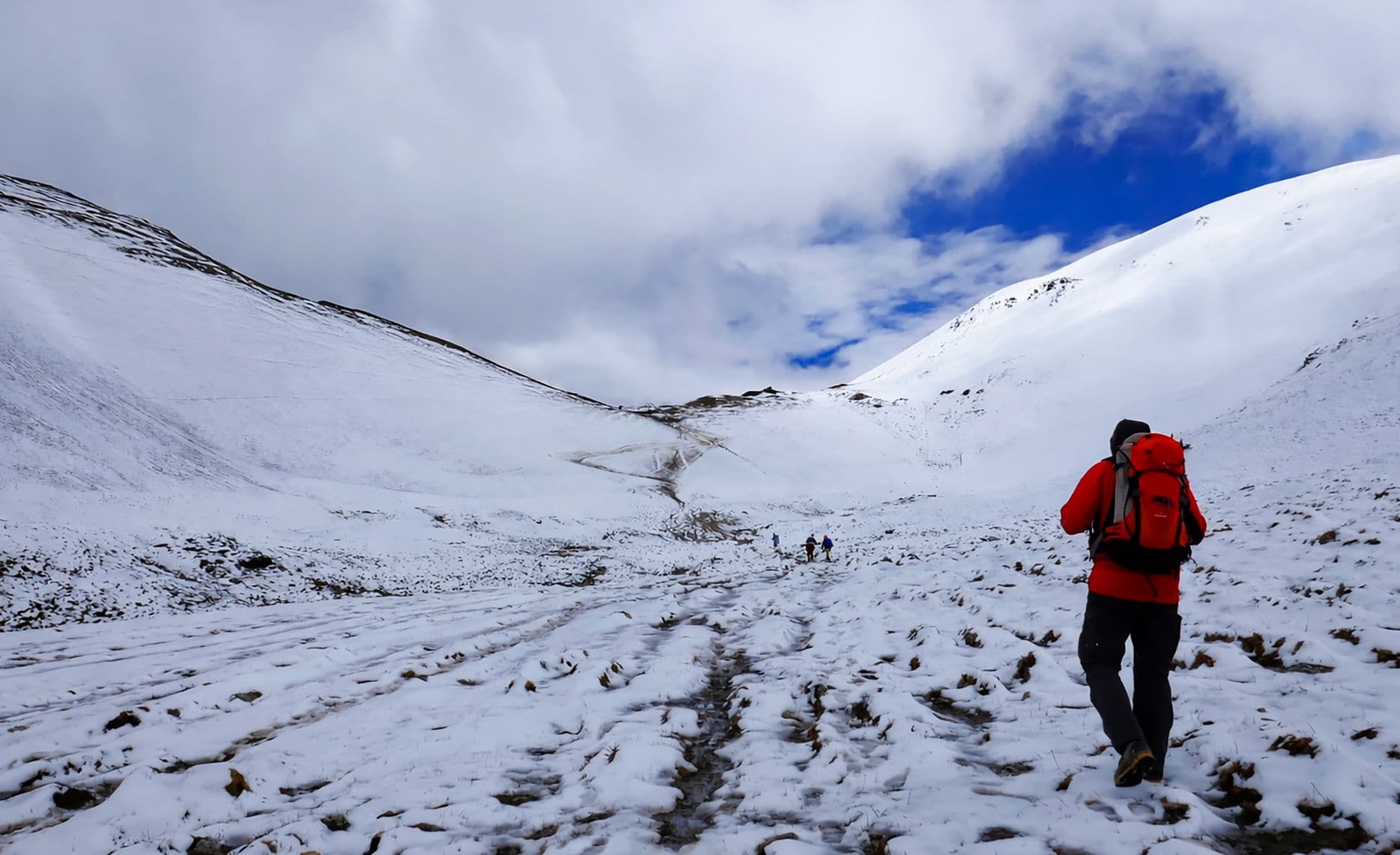
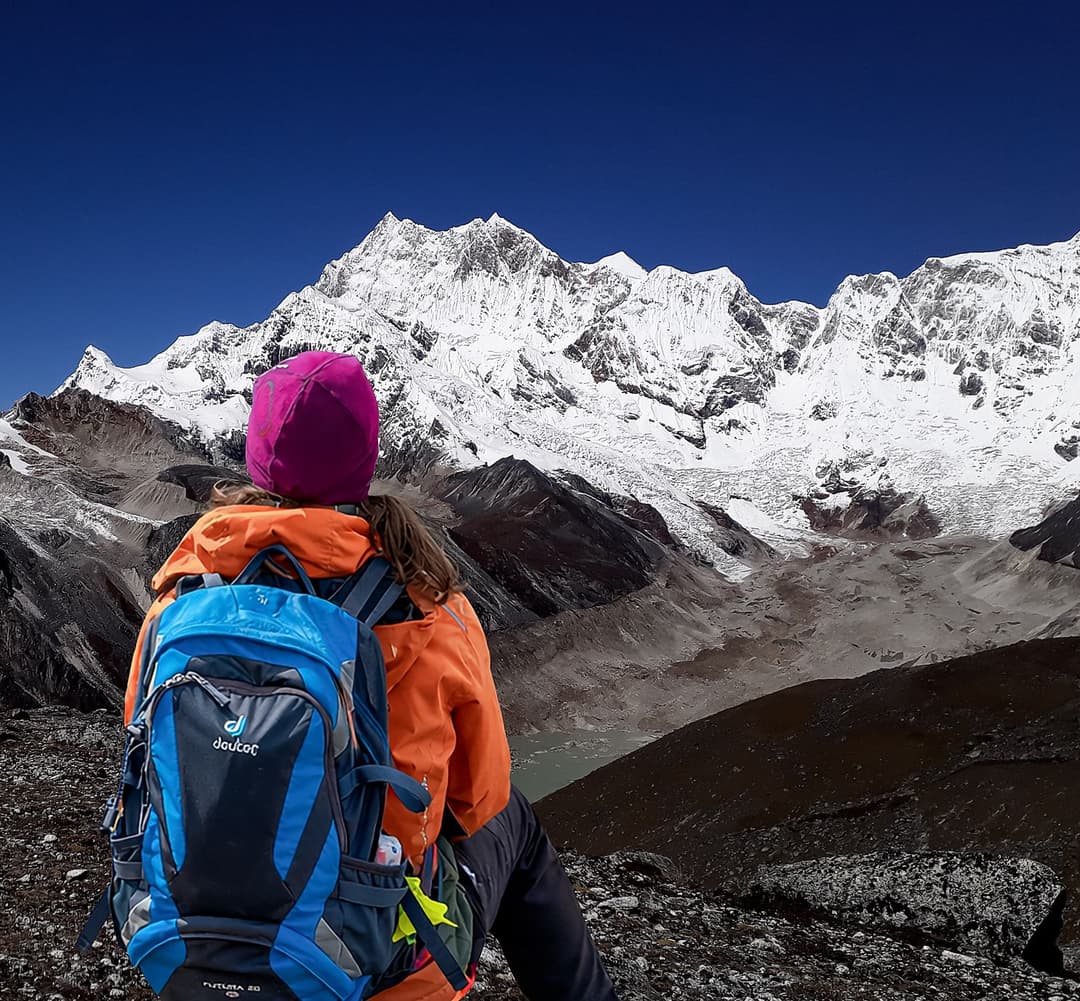
The Laya Gasa Trek traverses rugged terrain, remote highland villages, alpine meadows, and multiple high mountain passes above 4,500 m. Trekkers are rewarded with stunning panoramic views of iconic peaks such as Jomolhari and Jichu Drake, encounters with yak herders, and immersive experiences in Bhutan’s pristine, high-altitude wilderness.
Fitness Level Required
The Laya Gasa Trek is a demanding high‑altitude journey suited for trekking enthusiasts who are physically strong and well‑prepared. The trail combines long walking days, steep ascents over high passes, uneven terrain, and significant altitude gain. Trekkers should have good cardiovascular fitness, strong legs, and excellent stamina. Preparation should include sustained uphill training, long walks in varied terrain, and conditioning for consecutive hiking days. Mental resilience is crucial, as weather can change rapidly and terrain remains remote throughout. Those who prepare thoroughly will embrace both the challenge and the reward of spectacular Himalayan panoramas, cultural depth, and expansive wilderness.
Travel Insurance
Comprehensive travel insurance is mandatory for the Laya Gasa Trek. Coverage must include high‑altitude trekking above 4,500 m, emergency medical care, evacuation services, trip interruption, and unexpected delays. While the route is scenic and culturally rich, it traverses remote Himalayan terrain with limited access to medical infrastructure. Weather conditions can change rapidly at high altitude, increasing the importance of adequate coverage. Insurance protects against medical emergencies, logistical issues, and evacuation needs should they arise. With proper insurance in place, trekkers can walk confidently, fully enjoying wild alpine landscapes, traditional villages, and high passes, with peace of mind that support is available if needed.
Who Should Go
The Laya Gasa Trek is ideal for trekking enthusiasts seeking a high‑altitude challenge that blends landscapes, culture, and wildlife. Participants should be physically fit, comfortable with long daily walks, moderate to steep terrain, and multi‑day camping. It also suits those fascinated by remote alpine culture, traditional villages such as Laya, and changing ecosystems from oak forests to high pastures. The journey rewards trekkers with panoramic Himalayan views, encounters with blue sheep and takin, and the chance to relax after the trek at the Gasa hot springs. Whether seasoned hikers or adventurous spirits ready for a serious multi‑day trek, this experience is both demanding and deeply rewarding.

Support Team and Equipment
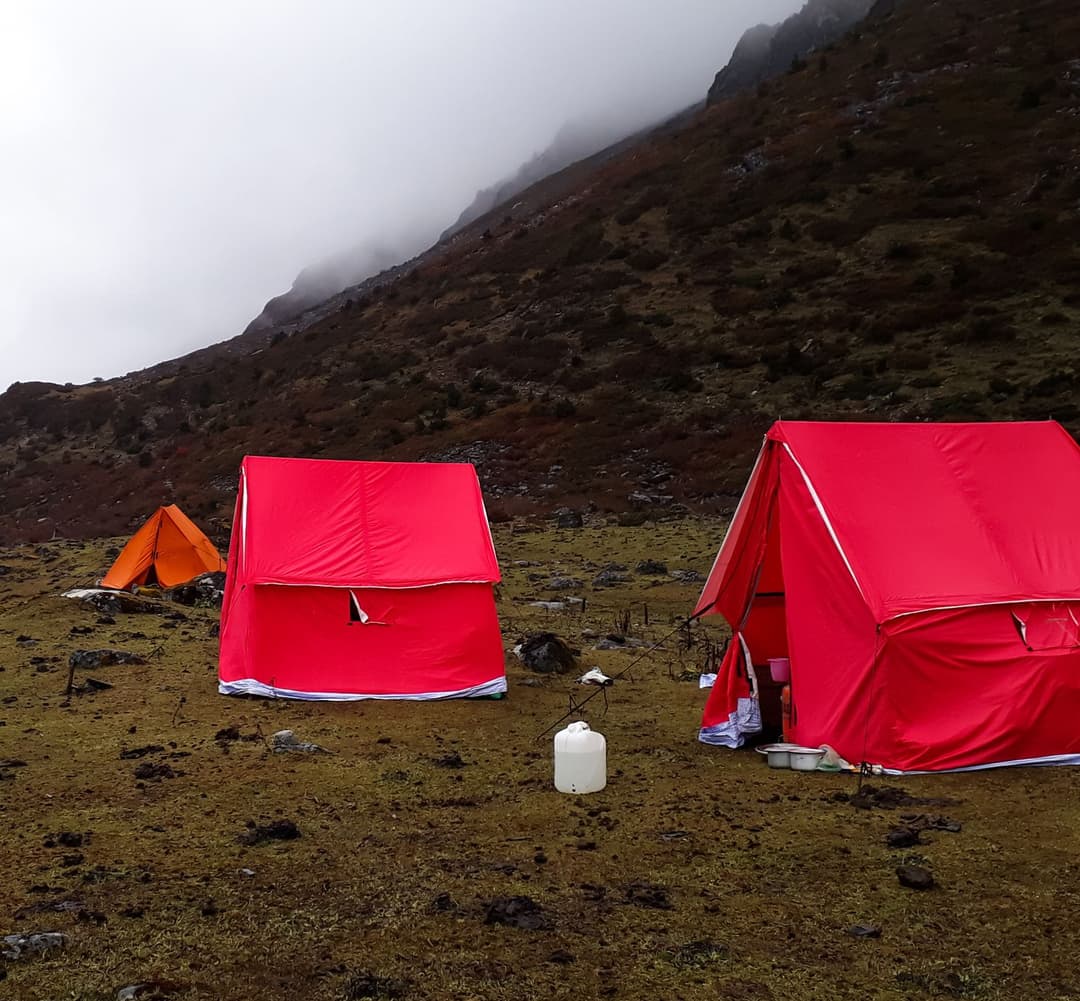
A professional mountain support team is essential for this expedition. Experienced guides with local knowledge lead the route safely, interpret weather conditions, and manage high‑altitude logistics. Cooks prepare nutritious meals tailored to trekking needs, while porters or pack animals carry tents, sleeping gear, food supplies, and group equipment. Quality camping gear, including sturdy tents, sleeping mats, dining setups, and kitchen hardware, ensures comfort in varied environments. Camps are strategically chosen for shelter, access to water, and scenic value. Solid support allows trekkers to focus on the experience-the landscape, culture, and trail-without distraction from daily logistics and equipment concerns.

Safety and Acclimatization
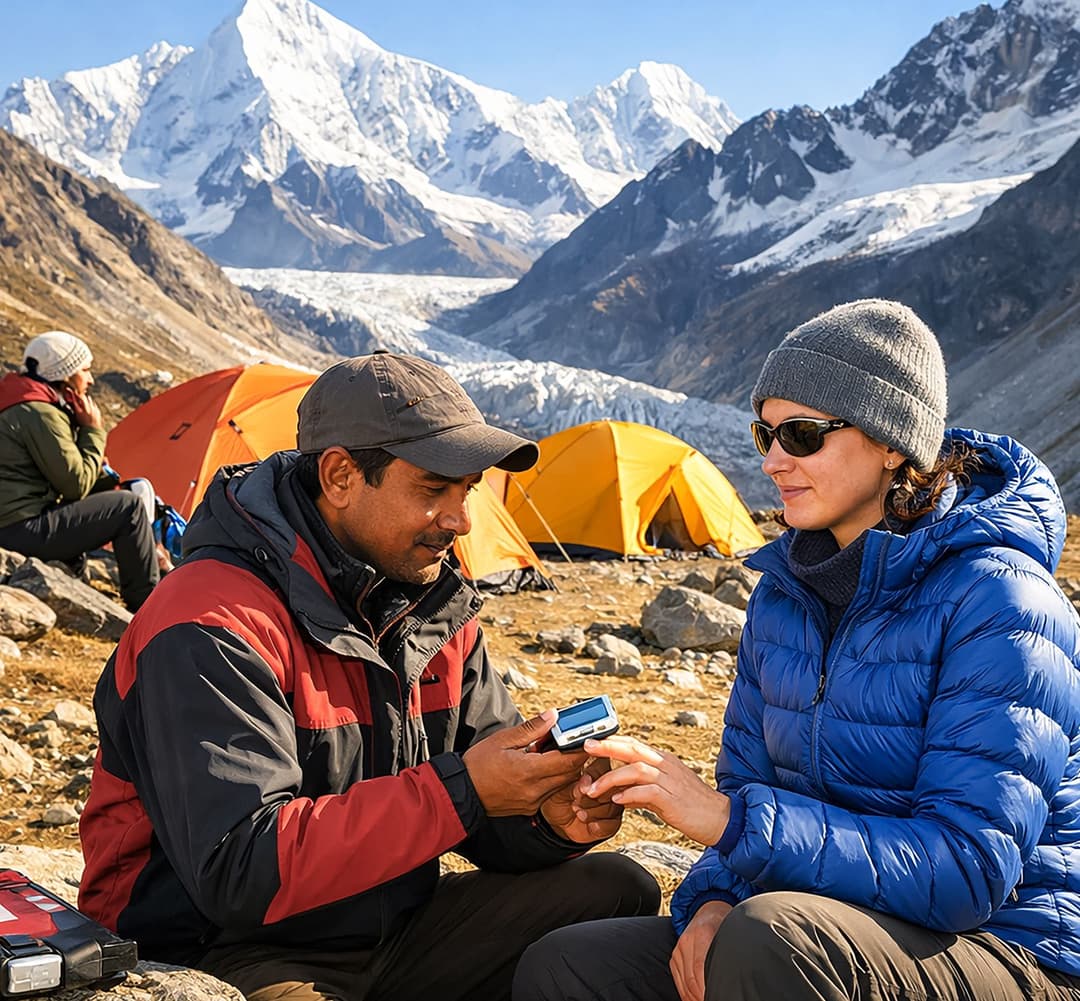
Safety and acclimatization are central to trekking success on this route. The itinerary is structured to allow gradual altitude gain, giving trekkers time to adapt as the trail ascends over multiple passes above 4,500 m. Guides monitor pace, health, and hydration daily and adjust plans as needed. Camps are located for terrain stability and shelter, with first‑aid kits and emergency communication devices available. Weather, trail conditions, and group wellbeing are assessed continuously to maintain safety standards. Proper acclimatization reduces the risk of altitude sickness and supports physical comfort at altitude. With structured risk‑management planning and attentive guidance, trekkers can fully embrace the adventure securely.
Let's Talk
Let’s turn your travel dreams into meaningful journeys-share your vision, and we’ll craft an experience designed just for you.
SPEAK TO AN EXPERT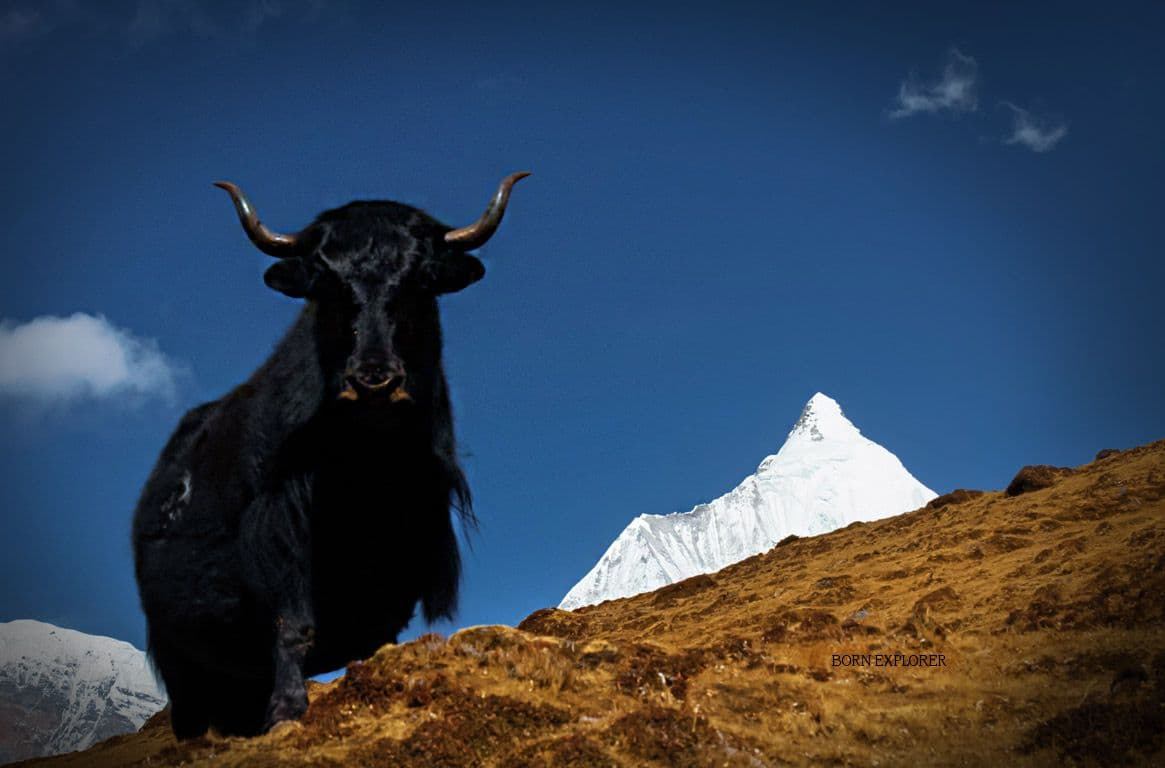
TRAVEL WITH PURPOSE
Transform every journey into a meaningful experience-explore new cultures, support local communities, protect the environment, and create memories that inspire personal growth while leaving a positive impact wherever your adventures take you.
Explore Beyond the Horizon
Beyond this journey, several high-altitude routes offer equally rewarding Himalayan experiences. From cultural village trails to remote alpine expeditions crossing dramatic passes, each trek reveals distinct landscapes and traditions. Together, these adventures provide diverse challenges, breathtaking panoramas, and deeper exploration of Bhutan’s untouched mountain wilderness.